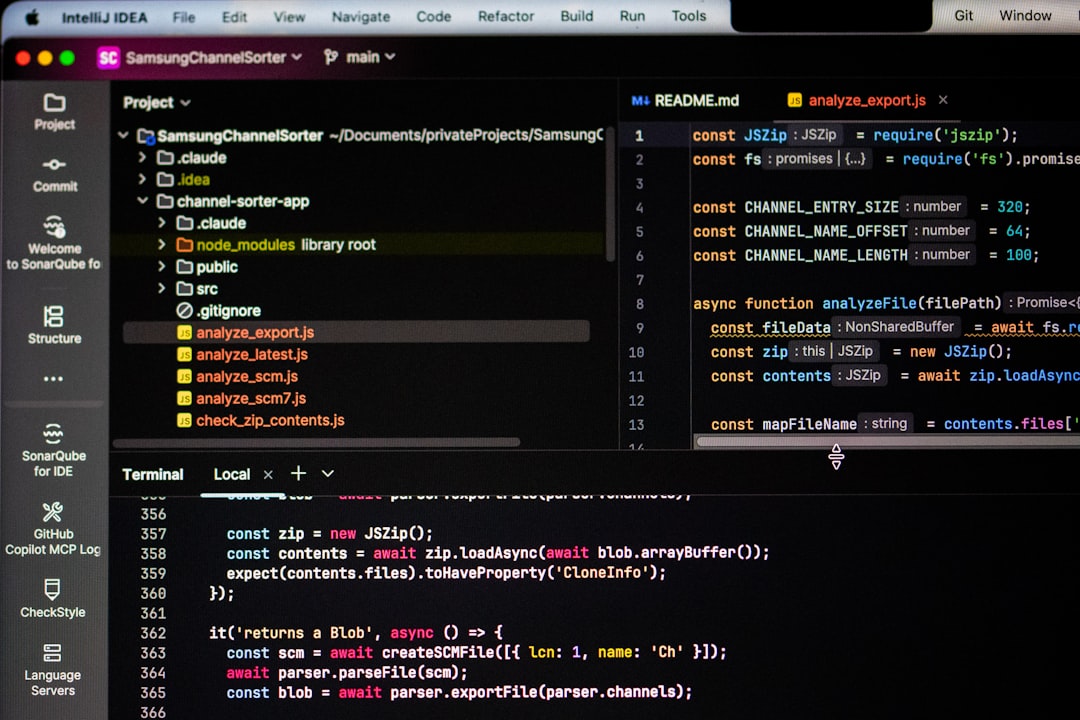
Understanding the AI Advantage in Drupal Module Development
As the digital landscape evolves, the integration of artificial intelligence (AI) into web development processes offers a transformative edge. For developers, leveraging AI in Drupal module development can streamline workflows, enhance functionality, and accelerate innovation. This guide explores the practical applications and advantages of utilizing AI in your Drupal projects, providing actionable insights for developers and decision-makers.
The Role of AI in Enhancing Drupal Modules
Drupal, known for its flexibility and robust content management capabilities, becomes even more powerful when combined with AI technologies. AI can automate routine tasks, improve user experiences, and enable more sophisticated data analytics. Here are several ways AI can be integrated into Drupal module development:
- Content Personalization: AI algorithms can analyze user behavior to deliver personalized content, improving engagement and retention.
- Automated Content Tagging: Using AI to tag content dynamically can save time and improve searchability within the site.
- Chatbots and Virtual Assistants: Implement AI-driven chatbots to provide instant support and engage users more effectively.
- Predictive Analytics: AI can analyze patterns in data to predict user behavior, allowing for proactive adjustments and enhancements.
Practical Steps to Integrate AI in Drupal Modules
Integrating AI into your Drupal modules doesn’t have to be an overwhelming process. Here are some practical steps to get started:
1. Define Your Objectives
Before diving into development, clearly define what you want to achieve with AI. Are you looking to improve user interaction, automate processes, or analyze data more effectively? Setting clear objectives will guide your AI implementation strategy.
2. Choose the Right AI Tools
A variety of AI tools and frameworks can be integrated into Drupal. Consider using libraries like TensorFlow or PyTorch for machine learning capabilities, or leverage AI services from AWS, Google Cloud, or Azure for more comprehensive solutions.
3. Develop a Prototype
Start with a small-scale prototype to test AI integration within your Drupal module. This allows you to identify potential challenges and refine your approach before scaling up.
function mymodule_ai_process_data() {
  // Example of integrating a hypothetical AI service
  $data = fetch_data_for_analysis();
  $ai_service = new AIService();
  $results = $ai_service->analyzeData($data);
  return $results;
}
4. Test and Iterate
Testing is crucial in any development process, but especially when integrating AI. Use A/B testing to evaluate the performance of AI-driven features and iterate based on feedback and results.
5. Deploy and Monitor
Once satisfied with the AI functionality, deploy the updated module. Continuous monitoring will help ensure the AI aspects continue to meet user needs and perform efficiently.
The WebEvra Edge in AI-Driven Drupal Development
At WebEvra, our expertise in Drupal and AI integration helps organizations maximize their digital strategies. Our team of seasoned developers can assist in the seamless incorporation of AI technologies into your Drupal modules, ensuring they align with your business objectives and enhance user experiences. By combining AI's potential with Drupal's capabilities, we provide solutions tailored to your specific needs.
Conclusion: The Future of AI in Drupal
AI is not just a trend, but a fundamental shift in how we approach web development. For developers and technical decision-makers, embracing AI in Drupal module development offers a path to innovation and competitive advantage. By following the steps outlined and tapping into resources like those offered by WebEvra, your organization can lead the charge in creating smarter, more responsive digital experiences.